12V LED Work Lights: Options for Tractors, ATVs, and Farm Vehicles
In this guide
- What a 12V LED Work Light Is
- Why 12V Is the Standard Agricultural Voltage
- Output Ranges for 12V LED Work Lights
- Beam Patterns for 12V LED Work Lights
- Common Housing Shapes and Sizes
- IP Ratings for 12V LED Work Lights
- Mounting Options for 12V LED Work Lights
- Wiring a 12V LED Work Light
- Vehicles That Take 12V LED Work Lights
- 12V LED Work Light Buying Checklist
A 12V LED work light is a high-output task lamp designed to run on the 12-volt electrical system fitted to most agricultural tractors, ATVs, quad bikes, telehandlers, pickup trucks, and trailers. The 12V LED work light replaced the 12V halogen work lamp on most modern farm vehicles because it produces 4 to 6 times the effective light output at one third the current draw and lasts 30 times longer. A typical 12V LED work light produces between 1,500 and 8,000 lumens at draws of 18W to 120W, fits a 4-bolt or pedestal mount, and carries an IP67 or IP69K ingress protection rating for outdoor agricultural use. This guide covers the selection, mounting, wiring, and durability detail for any 12V LED work light fitted to any farm vehicle.
What a 12V LED Work Light Is
A 12V LED work light is a sealed lamp unit containing 1 or more LED chips, a driver circuit, an optical lens, a heat sink, and a waterproof housing, designed to run from a 12-volt nominal supply. The 12V designation matches the nominal voltage on most car, ATV, light commercial, and agricultural electrical systems. The actual operating voltage range is wider: most 12V LED work lights tolerate 9V to 32V, which means the same lamp runs on a 12V system or a 24V heavy-vehicle system without modification.
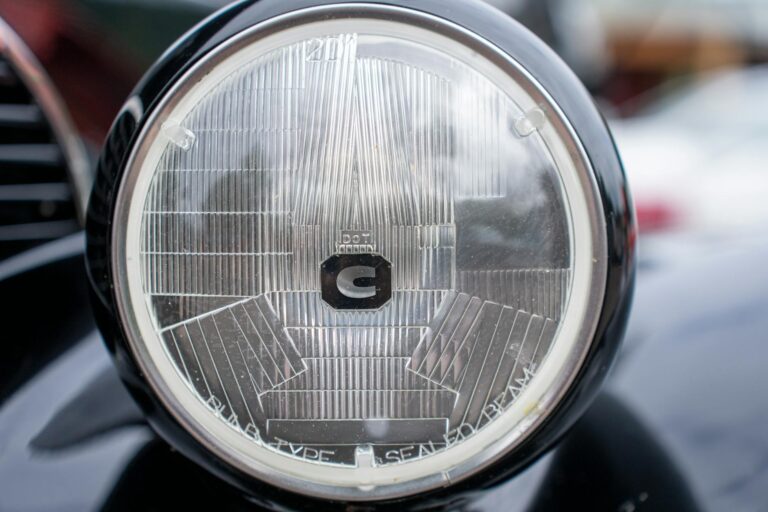
A 12V LED work light replaces a 12V halogen H3, H9, or sealed-beam work lamp at the same mounting position. The visual difference at the lamp itself is small. The performance difference is large: an LED work lamp produces 2,500 lumens at 25W draw where the halogen it replaces produced 1,000 lumens at 55W draw. The lamp body runs cool because the LED converts 30% to 40% of its electrical input into light versus the halogen’s 5%.
A 12V LED work light is the standard task lamp on every modern UK farm because the 12V electrical system is the standard farm vehicle electrical system. A modern tractor, an ATV, a quad bike, a pickup, a Land Rover, a telehandler under 100 hp, a trailer, and a static yard cabin all run on 12V. The same LED work lamp fits all of them.
Why 12V Is the Standard Agricultural Voltage
A 12V electrical system is the standard fitment on agricultural vehicles up to approximately 200 hp because 12V matches the lead-acid battery technology that has powered farm vehicles since the 1950s and supports the electrical loads typical of an agricultural machine without the cost or complexity of a 24V system.
A 12V system carries 4 advantages on farm vehicles. First, every workshop tool, charger, and tester is designed for 12V. Second, replacement bulbs, lamps, and accessories are mass-produced for 12V at lower cost than 24V equivalents. Third, the lead-acid starter battery technology suits 12V at the current draws involved. Fourth, the 12V automotive aftermarket carries thousands of compatible products that fit farm vehicles without modification.
A 24V system appears on heavy modern tractors above approximately 250 hp (Magnum 380 to 400, Steiger, Quadtrac, large Fendt, large John Deere 8R and 9R), on heavy commercial vehicles, on military vehicles, and on some classic European tractors. A 24V LED work lamp marked as a 9V to 32V universal unit fits both. A 12V-only lamp must not be fitted to a 24V circuit because it fails immediately. Confirm the voltage on the chassis plate before ordering.
Output Ranges for 12V LED Work Lights
A 12V LED work light output runs from 1,500 lumens (small ATV-fit lamp) to 8,000 lumens (large heavy-duty tractor work lamp). The output band determines the typical use case.
| Lumen output | Power draw | Typical use case |
|---|---|---|
| 1,500 to 2,000 lm | 18W to 27W | ATV, quad bike, compact tractor, trailer |
| 2,500 to 3,500 lm | 27W to 50W | Compact tractor, telehandler, pickup, small loader |
| 4,000 to 5,000 lm | 50W to 75W | Mid-range tractor, baler, sprayer |
| 5,500 to 6,500 lm | 75W to 100W | Large tractor, combine, telehandler boom |
| 7,000 to 8,000 lm | 100W to 120W | Premium combine, contractor tractor, large loader |
How Lumen Output Translates to Working Light
A lumen is a measure of total light output from the lamp. A lux is a measure of light landing on a surface at a given distance. A 3,000-lumen LED work light produces a usable working brightness across a 10 m to 15 m radius for general fieldwork. A 5,000-lumen lamp pushes that to 20 m to 25 m. An 8,000-lumen lamp on a combine or tractor cab roof reaches 40 m to 50 m. For the full lumen-to-lux relationship, see the tractor work light lumens guide.
Why More Lumens Is Not Always Better
A 12V LED work light producing 8,000 lumens fitted on an ATV creates glare against the rider’s vision because the lamp sits close to the operator and reflects from cab pillars and windscreen. The match between lumen output and vehicle size matters: small vehicle, lower output; larger vehicle, higher output. A 2,500-lumen lamp suits a quad bike. An 8,000-lumen lamp suits a combine cab roof.
Beam Patterns for 12V LED Work Lights
A 12V LED work light beam pattern is the shape of the light projected by the lamp’s optical lens. The 3 standard beam patterns are flood, spot, and combo.
Flood Beam
A flood beam spreads light across a wide horizontal arc (typically 60 to 90 degrees) at moderate range (5 to 15 m). A flood-pattern LED work lamp suits close-range task lighting: stack-block work, livestock loading, baler operation, yard reversing. A flood beam is the most common pattern fitted to ATVs, telehandler cab roofs, and tractor cab rear corners.
Spot Beam
A spot beam concentrates light into a narrow cone (typically 20 to 30 degrees) at long range (15 to 50 m). A spot-pattern LED work lamp suits long-range field work: ploughing at night, harvesting, road haulage support. A spot beam is the most common pattern fitted to combine cab roofs, large tractor front roof corners, and telehandler boom ends.
Combo Beam
A combo beam combines a central spot section with surrounding flood coverage in a single lamp. A combo-pattern LED work lamp suits mixed-use farm vehicles where one lamp must cover both close yard work and longer-range fieldwork. A combo beam is the most common pattern on premium tractor work lamp options.
For the full beam pattern selection process, see the flood vs spot beam guide.
Common Housing Shapes and Sizes
A 12V LED work light housing comes in 4 standard shapes: round, square, rectangular, and bar. Each suits different mounting positions.
Round Housings
A round 12V LED work light housing is 90 mm to 130 mm in diameter, mounts on a 4-bolt pattern or a single pedestal stem, and is the most common shape on tractors, ATVs, and telehandlers. The round shape distributes heat evenly across the heat sink and matches the heritage halogen H3 work lamp form factor that round LED units replace.
Square Housings
A square 12V LED work light housing is 75 mm to 130 mm on each side, mounts on a 4-bolt pattern, and is the most common shape on modern factory-fit work lamp positions on Fendt, Valtra, John Deere R series, and Massey Ferguson S series. Square units typically produce 3,000 to 5,000 lumens.
Rectangular Housings
A rectangular 12V LED work light housing is 110 mm to 250 mm long by 50 mm to 100 mm tall, mounts on a 4-bolt pattern or a yoke bracket, and suits mounting positions where horizontal width matters: cab roof apex bars, pickup truck cab roof, trailer rear panels.
Light Bar Housings
A 12V LED light bar is a long rectangular housing (200 mm to 1,200 mm) containing multiple LED chips along a single optical lens, producing 4,000 to 30,000 lumens depending on length. A light bar mounts on cab roof apex positions, bull bars, or front grille bars. For 12V LED light bar specifics, see the tractor light bar guide.
IP Ratings for 12V LED Work Lights
A 12V LED work light IP rating is the ingress protection code defined by IEC 60529 that states the lamp’s resistance to dust and water. Agricultural LED work lamps must carry IP67 as a minimum and IP69K as the gold standard.
IP67 Explained
An IP67-rated 12V LED work light is dust-tight (the 6 in IP67) and resists temporary submersion in water up to 1 m deep for 30 minutes (the 7). IP67 is adequate for tractor cab roof mounting, ATV fitment, and trailer fitment where the lamp gets washed in driving rain but not pressure-washed at point-blank range.
IP69K Explained
An IP69K-rated 12V LED work light is dust-tight and resists high-pressure, high-temperature water jets at 80 to 100 bar at 80°C. IP69K matters for any farm vehicle that gets pressure-washed regularly: livestock-shed tractors, dairy yard machines, slurry spreaders, sprayers, and any vehicle worked in muck.
Choosing IP67 vs IP69K
Choose IP67 for general-purpose fitment where pressure-washing is not part of the cleaning routine. Choose IP69K for any livestock, slurry, or muck-handling vehicle, and for any lamp position where the cleaning routine includes a steam cleaner or a high-pressure jet wash. The cost difference between IP67 and IP69K is typically 20% to 40%; the durability difference in pressure-wash service is 5 to 10 times longer.
For the full IP rating breakdown, see the IP67 vs IP69K guide when published.
Mounting Options for 12V LED Work Lights
A 12V LED work light mount is the physical bracket that fixes the lamp to the vehicle. The 4 standard mount types are 4-bolt direct, pedestal stem, yoke bracket, and magnetic.
4-Bolt Direct Mount
A 4-bolt direct mount fixes the lamp body to a flat surface (cab roof, A-pillar, fender) through 4 bolt holes drilled at the manufacturer’s specified centres. Direct mount is the most rigid and most factory-popular method. Bolt centres are typically 60 mm to 90 mm depending on lamp size.
Pedestal Stem Mount
A pedestal stem mount uses a single threaded stem (M10 or M12) on the lamp base, fixed through a single hole in the mounting surface and secured with a nut and washer below. Pedestal mount allows angular adjustment around the vertical axis. Pedestal mount is the most common method on heritage tractor work lamps and aftermarket retro-fit kits.
Yoke Bracket Mount
A yoke bracket mount uses a U-shaped bracket that wraps around the lamp body and bolts to the mounting surface. The lamp pivots on 2 side bolts within the yoke, allowing tilt adjustment in the vertical plane. Yoke mount suits mounting positions where the lamp angle needs regular adjustment: contractor tractor cab roofs, telehandler boom ends.
Magnetic Mount
A magnetic mount uses a strong rare-earth magnet base to fix the lamp to a steel surface without drilling. Magnetic mount suits temporary fitment, occasional-use lamps, and trailer-mounted lamps that need to move between vehicles. Magnetic LED work lamps usually carry a 12V cigarette-lighter plug for quick connection.
Wiring a 12V LED Work Light
A 12V LED work light wiring connects the lamp to the vehicle 12V supply through a fuse, a switch, and (for higher-current installations) a relay. The wiring method depends on the lamp current draw and the number of lamps fitted.
Direct Wiring for Low-Current Lamps
A single 12V LED work light drawing under 5A (60W or less) wires directly through a fused supply and a dashboard switch. The wire size is 2.0 mm² (16 AWG) minimum. The fuse rates at 1.5 times the lamp draw (an 8A fuse for a 60W lamp at 5A draw). The negative side connects to the vehicle chassis at a clean earth point.
Relay Wiring for Higher-Current Installations
Multiple 12V LED work lights or a single high-current lamp (over 60W) wires through a relay. The relay separates the high-current lamp circuit from the low-current switch circuit. The lamp circuit runs from the battery through a fuse, through the relay contacts, through the lamp wiring, to chassis earth. The switch circuit triggers the relay coil from the dashboard switch through low-current wiring (1.0 mm²). For the full relay wiring guide, see the how to wire tractor lights guide.
Switch Position and Ignition Live
A 12V LED work light switch should run from an ignition-live supply (rather than a permanent battery-live supply) so that the lamp cannot be left on overnight by mistake. Some installations include both a permanent live and an ignition live to allow occasional use without the engine running.
CAN-Bus Compatibility
A modern tractor with CAN-bus integration treats unmonitored circuit additions differently from factory wiring. A 12V LED work light fitted on its own dedicated relay and fuse circuit avoids CAN-bus interference. A 12V LED work light wired into an existing factory work-lamp circuit may require a CAN-bus-compatible inline module.
Vehicles That Take 12V LED Work Lights
A 12V LED work light fits most agricultural and light commercial vehicles in the UK because most run on a 12V electrical system. The 8 most common vehicle categories are:
- Compact and mid-range tractors (sub-200 hp): all major brands run 12V; standard fitment positions are cab roof corners, A-pillar, and front grille
- Telehandlers (Loadall, Manitou, Merlo, Bobcat): mostly 12V; cab roof and boom positions
- ATVs and quad bikes: 12V; bonnet, handlebar, or rear rack mounting
- UTVs (utility task vehicles): 12V; roll cage and cab roof positions
- Pickups and 4x4s: 12V; bull bar, roof rack, and rear bed positions
- Trailers (livestock, grain, flatbed): 12V via the towing vehicle’s 7-pin or 13-pin connector; bulkhead and rear positions
- Static yard equipment (cabins, gantries, cattle crushes): 12V battery-powered or 12V mains-derived
- Compact loaders and skid steers (sub-100 hp): 12V on most; cab roof and boom positions
For tractor-specific work light selection, see the tractor work lights guide. For the full LED work light pillar context, see LED work lights.
12V LED Work Light Buying Checklist
Use this checklist when buying a 12V LED work light for any farm vehicle.
- [ ] Vehicle voltage confirmed (12V; check chassis plate to rule out 24V)
- [ ] Lumen output matched to vehicle size and use case (1,500 to 8,000 lm range)
- [ ] Beam pattern selected (flood for close, spot for long-range, combo for mixed)
- [ ] Housing shape matched to mounting position (round, square, rectangular, bar)
- [ ] IP rating selected (IP67 minimum; IP69K for pressure-washed vehicles)
- [ ] Mount type matched to fitment (4-bolt, pedestal, yoke, magnetic)
- [ ] Wiring plan agreed (direct fused for under 5A, relay for over 60W or multiple lamps)
- [ ] CAN-bus compatibility considered for tractors built since 2010
- [ ] E-mark required for any road-use lamp
- [ ] Cable length adequate for the run from lamp to fuse box (extend with marine-grade cable)
- [ ] Connector matches existing wiring (AMP Superseal, Deutsch DT, or bare wire)
- [ ] Voltage range stated on the lamp covers the vehicle (look for 9V to 32V universal)
Browse the full range of 12V LED work lights and accessories at Agri Lighting, including round and square units from 1,500 to 8,000 lumens, IP67 and IP69K options for every use case, mounting brackets in pedestal, yoke, and magnetic styles, fused relay wiring kits for single and multi-lamp installations, and connector cables in AMP Superseal and Deutsch DT formats, with free UK delivery over £75 and same-day dispatch on orders placed before 3 pm. For the wider context, see the pillar guide to LED work lights, the tractor work lights selection guide, and the halogen to LED upgrade walkthrough.