W16W Bulbs Explained: The 921 Capless Reversing Bulb, Its Base, and How to Replace It
In this guide
A W16W bulb is a 16-watt single-filament capless bulb on a W2.1×9.5d wedge base, used for reversing lamps, high-level brake lamps, and bright marker lamps. The W16W carries the UK and international trade codes 921 and 955, so a box marked 921 holds the same bulb as a box marked W16W. The bulb pushes into a T15 wedge holder on modern cars, tractors, trailers, and plant machinery where the lamp needs a bright, single output. Knowing the W16W by its 16-watt rating and its capless wedge base answers the question behind most W16W searches.
This guide explains what a W16W bulb is, how its wedge base fits, why W16W, 921, and 955 name the same bulb, what the bulb is used for, how it differs from the 5-watt W5W, and how to replace one with halogen or LED.
What a W16W Bulb Is
A W16W bulb is a bright tungsten bulb with one filament on a capless wedge base. The letter W marks the wedge base, the number 16 gives the 16-watt rating, the second W marks the wedge-free glass, and the single filament gives one output level, so the W16W suits reversing and high-level brake duties that need a strong single light. The trade number 921 is the figure most factors print on the box for this bulb.
The W16W produces a bright, steady output from a compact wedge bulb. The 12V W16W runs 16 watts, the plastic-free glass base pushes into a matching holder, and the single filament switches full on or off, so the W16W lights a reversing lamp or a high-level brake lamp that needs a clear, single output. The lamp reflector, not the bulb, aims the final light on a W16W.
The W2.1×9.5d Capless Wedge Base
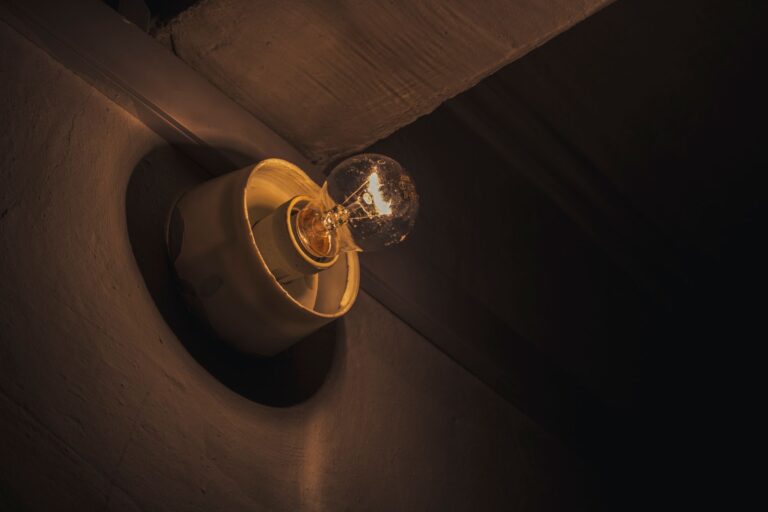
The W16W uses a W2.1×9.5d base, a capless wedge base moulded into the glass with a T15 envelope. W marks the wedge family, the figures 2.1 and 9.5 give the base dimensions in millimetres, the letter d marks the two contact tabs, and the glass narrows to a flat wedge that pushes straight into the holder. The wedge grips by friction, so the bulb has no metal cap and no bayonet pins.
The capless wedge base is the detail that sets the W16W apart. A W16W carries its two contact wires folded up the sides of the glass wedge, so it pushes into a holder without a twist. The T15 glass on a W16W is larger than the T10 glass on the 5-watt W5W, so a W16W will not seat in a W5W holder and a W5W looks lost in a W16W holder. The smaller capless sidelight bulb is covered in capless 501 (W5W) bulbs explained, and the wider bulb families in vehicle bulb types explained.
W16W, 921, and 955: One Bulb, Three Codes
The W16W name and the 921 and 955 trade codes describe the same 12-volt bulb. W16W is the descriptive category, a 16-watt bulb on a W2.1×9.5d wedge base, while 921 and 955 are the trade numbers printed on the box, so a buyer asks for any of the three and receives the same bulb. The codes and the description point to one item.
- W16W is the descriptive category, a 16-watt single-filament capless wedge bulb.
- 921 is a common trade number for the 12-volt W16W, printed by many factors.
- 955 is an alternative trade number for the same 12-volt W16W bulb.
The three labels match one bulb. A factor stocking 921 or 955 stocks the W16W, and an operator asking for a W16W receives a 921, so the codes never disagree. The W16W sits alongside the single-filament bulbs set out in the vehicle bulb guide.
What a W16W Bulb Is Used For
A W16W bulb fills a bright, single-function lamp. The 16-watt filament suits five common roles, listed below, which is why the W16W appears across modern and commercial vehicles.
- Reversing lamps on cars, tractors, trailers, and plant machinery.
- High-level (third) brake lamps on modern vehicles.
- Rear fog lamps that use a capless wedge holder.
- Bright rear marker lamps on trailers and commercial bodies.
- Load-area and reversing-alarm lamps on working vehicles.
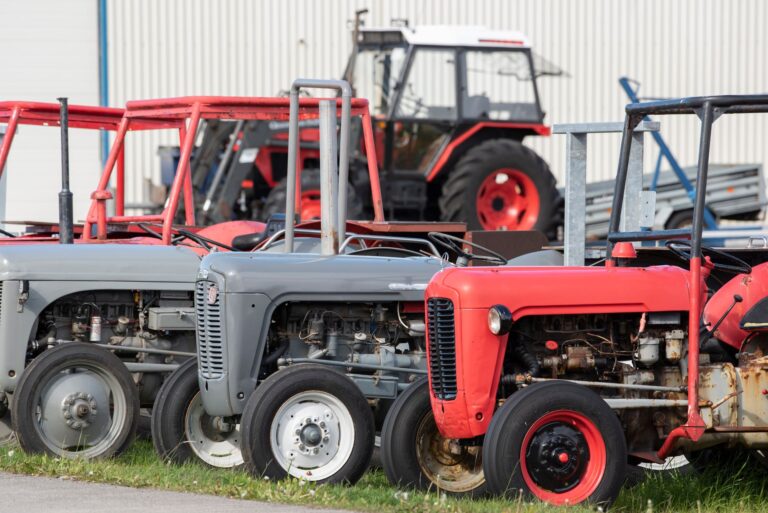
The reversing role defines the bulb. A modern tractor or a trailer runs a W16W in the reversing lamp, so a vehicle with a capless reversing holder carries a W16W where the older machine ran a bayonet bulb. The reversing role across lamp types is covered in reverse lights explained, and the reasons a reversing lamp fails in reversing light not working.
W16W vs W5W (501): 16-Watt Reversing vs 5-Watt Sidelight
The W16W and the W5W both use a capless wedge base, but the W16W runs 16 watts on a T15 glass and the W5W runs 5 watts on a T10 glass. The two bulbs cover different jobs, set out in the table below, so the difference is the output and the glass size rather than the base family.
| Bulb | Code | Base | Glass | Wattage | Typical role |
|---|---|---|---|---|---|
| W16W | 921 / 955 | W2.1×9.5d wedge | T15 | 16W | Reversing, high-level brake, fog |
| W5W | 501 | W2.1×9.5d wedge | T10 | 5W | Sidelight, panel, interior |
The output and the glass are the key differences. A W16W throws a bright reversing or brake light from a larger glass, while a W5W throws a low marker glow from a smaller glass, so the two are not interchangeable even though both push into a wedge holder. A reversing lamp takes the W16W, and a sidelight takes the W5W. The 5-watt capless bulb sits in capless 501 (W5W) bulbs explained. The twin-filament stop and tail bulb is covered in 380 (P21/5W) bulbs explained.
LED W16W Conversions and Canbus
An LED W16W replaces a halogen W16W in the same wedge holder with no rewiring, and the reversing role makes it a popular upgrade. The LED bulb keeps the T15 wedge base, pushes into the existing holder, draws a fraction of the 16-watt current, and gives a brighter, whiter reversing light, so it appeals on an older cab where the reversing lamp looks dim. The convenience is real, though a modern vehicle can flag a warning.
A modern vehicle checks its bulbs by measuring current, so a low-draw LED W16W can trigger a dashboard warning or flicker on a canbus system. A canbus-ready LED W16W carries a resistor or a driver that mimics the current of a halogen bulb, so it clears the warning on sensitive vehicles, particularly German cars and newer plant. A tractor or trailer with a simple circuit takes a standard LED W16W without a warning, while a canbus vehicle takes the canbus-ready version. The reversing lamp marks a manoeuvre rather than lighting the road, so an LED W16W is a low-risk upgrade where the colour stays white. The wider retrofit rules sit in LED headlamp conversions.
How to Replace a W16W Bulb
Replace a W16W bulb by reaching the lamp, pulling the capless bulb from the holder, and pushing the new one in. Five steps cover the job on most lamps, so work through them in order.
- Reach the reversing, brake, or fog lamp and remove the lens or holder if it clips off.
- Pull the capless holder from the lamp, or reach the bulb directly in a fixed lamp.
- Grip the old W16W by the glass base and pull it straight out of the wedge holder.
- Choose a replacement of the correct code (921 or 955 for the 16-watt W16W), in halogen or a canbus-ready LED, and confirm it is not a 5-watt W5W (501).
- Line the contact tabs up, push the new bulb straight into the holder until it seats, refit the holder, and test the lamp.
Handle the new bulb by its glass base to keep the lens clean. A W16W runs warmer than a sidelight bulb at 16 watts, so a clean glass gives the clearest light and the longest life. For W16W bulbs in halogen and LED, see the bulb range. The 5-watt W5W and the twin-filament 380 sit close by, covered in capless 501 (W5W) bulbs explained and 380 (P21/5W) bulbs explained.
Summary
A W16W bulb is a 16-watt single-filament capless bulb on a W2.1×9.5d wedge base with a T15 glass. The W16W runs as the 921 or 955 in 12 volts, used for reversing lamps, high-level brake lamps, rear fog lamps, and bright marker lamps on modern and commercial vehicles. It differs from the 5-watt W5W in output and glass size, and from the twin-filament 380 in filaments and base. Match the code to the lamp’s job, fit a canbus-ready LED on a sensitive vehicle, and push the wedge base fully home.