
Road Vehicles Lighting Regulations 1989: What Farmers Need to Know
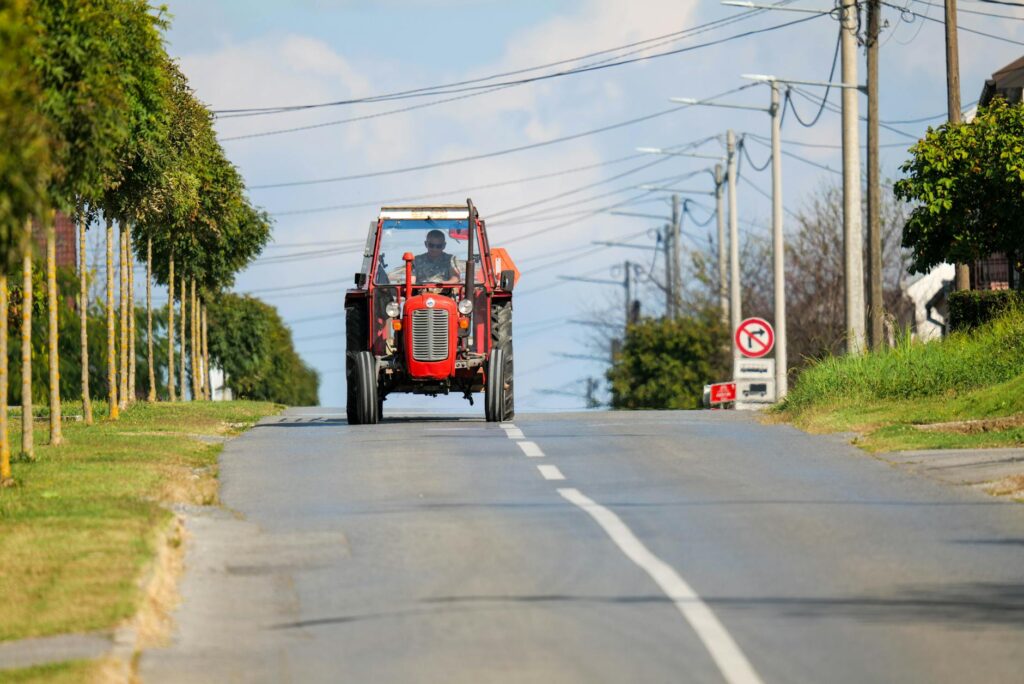
The Road Vehicles Lighting Regulations 1989 is the primary piece of UK legislation that governs how lights must be fitted, maintained, and used on every vehicle driven on a public road. That includes tractors, agricultural trailers, telehandlers, and any other farm machinery that leaves the yard. The regulations are laid out in dense legal language […]
Rear Brake Light Bulbs: Types, Fitment, and How to Replace Them
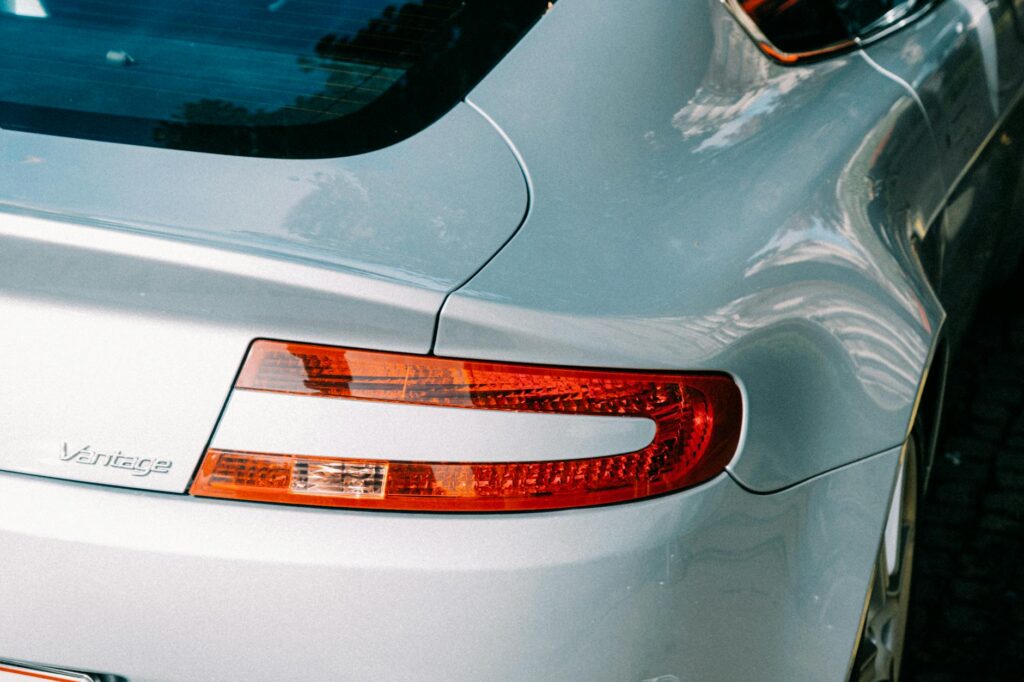
What Does a Rear Brake Light Bulb Do A rear brake light bulb illuminates when the driver presses the brake pedal, producing a bright red warning that tells following traffic the vehicle is slowing down or stopping. Every vehicle on UK roads relies on at least 2 rear brake light bulbs to communicate this single, […]
Amber Beacon Meaning: What Flashing Amber Lights Signal on UK Roads
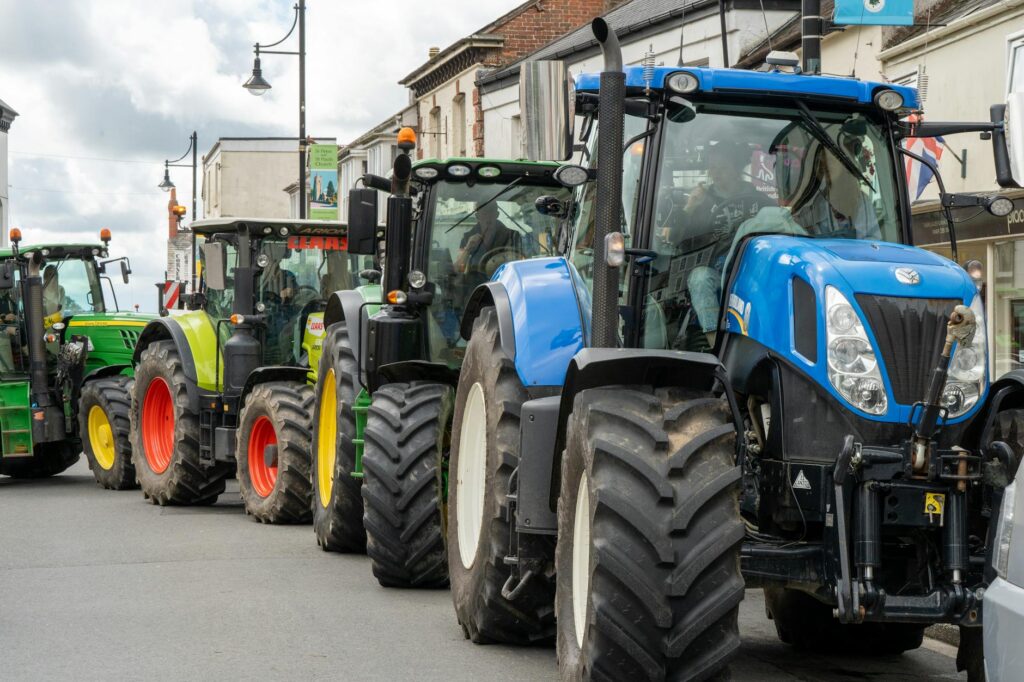
An amber beacon is a flashing or rotating amber light fitted to a vehicle to warn other road users that it is slow-moving, stationary, or potentially obstructing traffic. The Highway Code (rule 225) assigns this meaning specifically: a flashing amber beacon on a moving vehicle indicates a slow-moving vehicle. Unlike a blue beacon, which signals […]
Tractor Lighting Regulations UK: Everything You Need to Know for Road Use
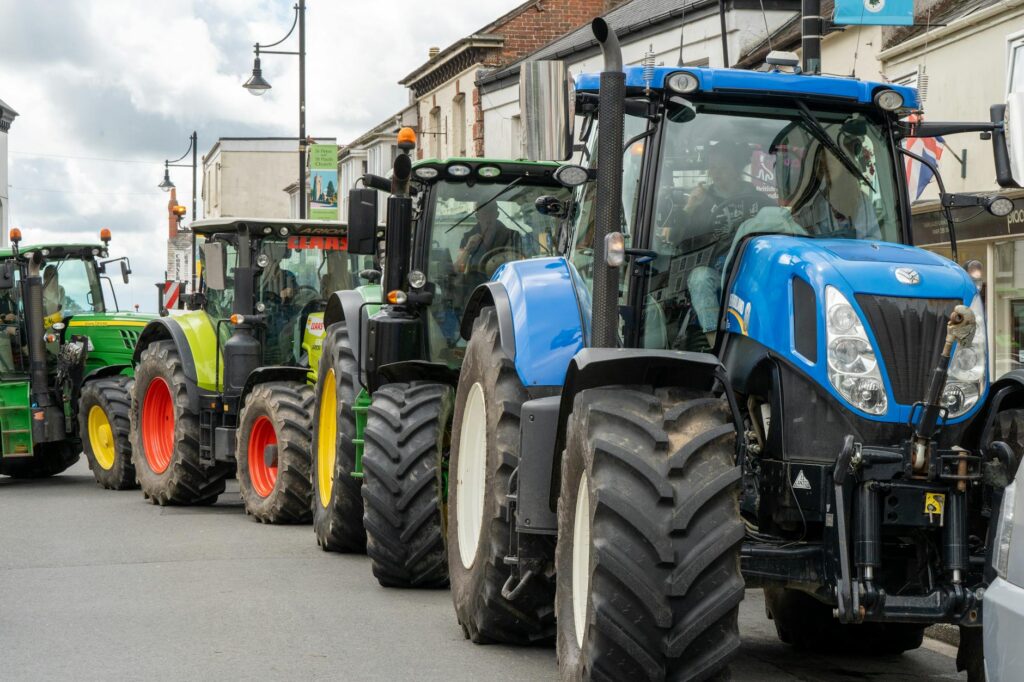
Tractor lighting regulations in the UK determine exactly which lights a tractor must carry before it can legally travel on a public road. The rules are not optional. They are set out in statute, enforced by police and DVSA officers, and carry fixed penalty notices for non-compliance. The problem for most farmers is that the […]
Position Lamps: Front and Rear Sidelights Explained

What Is a Position Lamp A position lamp is a low-intensity light that marks the presence and width of a vehicle to other road users. Position lamps are the smallest, dimmest lights on any vehicle, but they are among the most important for road safety because they make a stationary or slow-moving vehicle visible in […]
Reverse Lights: How They Work, Legal Requirements, and Upgrades
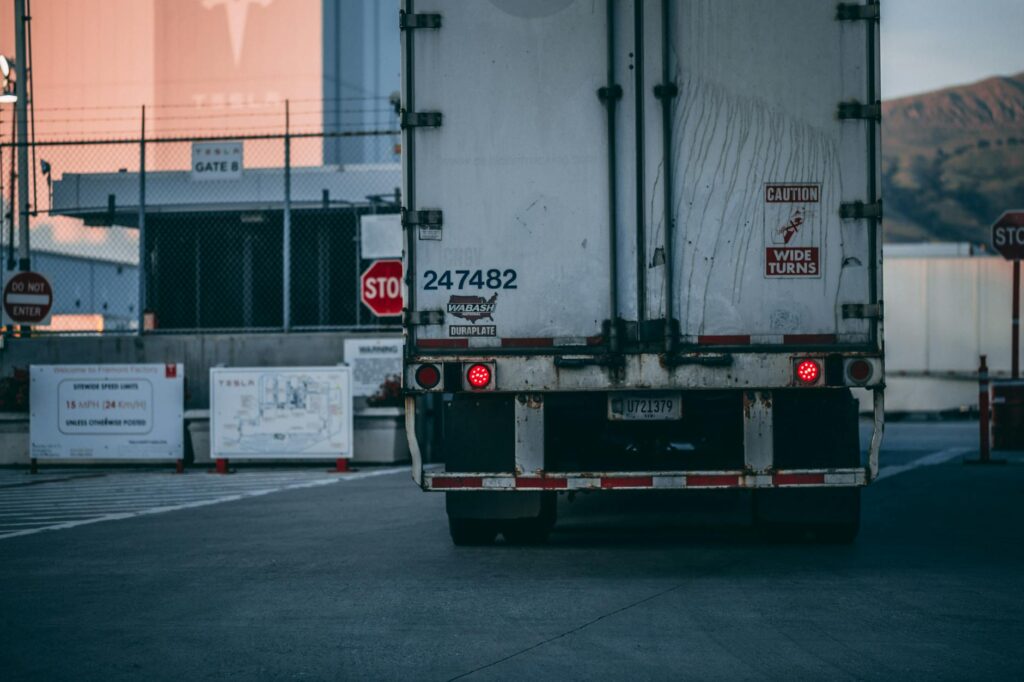
What Is a Reverse Light and How Does It Work A reverse light is a white lamp fitted to the rear of a vehicle that illuminates automatically when the driver selects reverse gear. Every reverse light serves 2 functions: it lights up the area behind the vehicle so the driver can see where they are […]
Side Marker Lights: What They Are, Where They Go, and UK Requirements

What Is a Side Marker Light A side marker light is a small lamp fitted to the side of a vehicle to make its length and width visible to other road users. Side marker lights face outward from the flanks of a vehicle, not forward or rearward, and their sole purpose is passive visibility. They […]
Rear Fog Lights: UK Regulations, Fitment, and Replacement
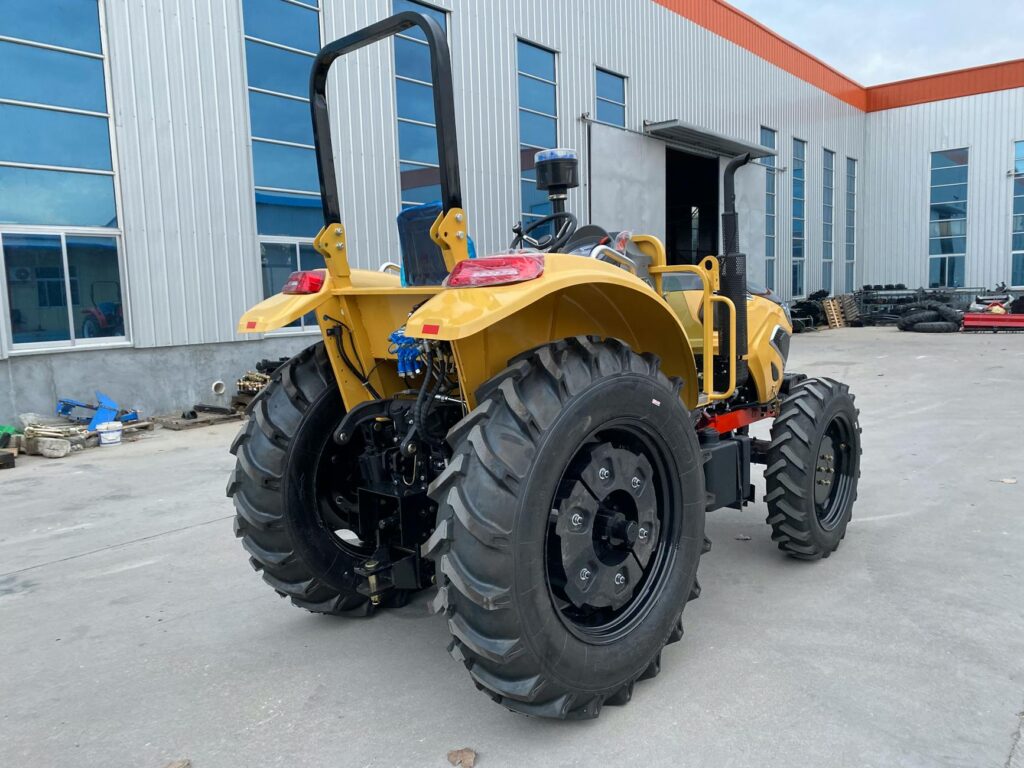
A rear fog light is a high-intensity red lamp fitted to the back of a vehicle that makes it visible to following traffic in fog, heavy rain, snow, or spray. Every vehicle first used on or after 1 April 1980 must have at least one rear fog light under UK law. Unlike standard tail lights, […]
LED vs halogen tractor lights: a UK buyer’s guide
LED vs halogen tractor lights: a UK buyer’s guide LED tractor lights use light emitting diodes to produce around three to four times the brightness of an equivalent halogen bulb. Halogen tractor lights use a tungsten filament inside a halogen gas capsule and remain the cheaper upfront option for standard replacement jobs. This guide compares […]
Farm vehicle lighting: a UK guide for tractors, trailers and machinery
Farm vehicle lighting: a UK guide for tractors, trailers and machinery Farm vehicle lighting covers every lamp fitted to a tractor, telehandler, ATV, trailer or implement used in UK agriculture. The category includes work lights, headlights, beacons, rear and tail lights, marker lamps, indicators and implement-mounted auxiliary lights. Each lamp type has its own legal […]