
Tractor lighting technical guides: wiring, relays, bulbs and faults
Technical guides cover the electrical side of tractor lighting: wiring a lamp through a relay and fuse, 12V and 24V systems, bulb bases and fittings, IP ratings, ECE approval marks and fault-finding when a light stops working. The section holds 19 guides written for the farmer or fitter doing the job in the workshop.
19 guides
- Technical & Performance
Adding Extra Lights to Your Tractor Without Overloading the Circuit
Adding extra lights to a tractor without overloading the circuit needs three calculations and one design choice. The first calculation is the...
- Technical & Performance
Fuses and Circuit Protection for Vehicle Lighting
A vehicle lighting fuse is a sacrificial component sized to interrupt the circuit when current exceeds a safe level. The fuse protects...
- Technical & Performance
Wiring Looms for Tractor Lights: Pre-Made vs Custom
A tractor light wiring loom is a pre-terminated cable assembly that connects one or more auxiliary or replacement lamps to the tractor's...
- Technical & Performance
Can You Mix LED and Halogen Lights on the Same Tractor
Mixed LED and halogen tractor lighting is a working setup where some lamp positions on the same vehicle use LED technology and...
- Technical & Performance
Power Draw Comparison: LED, Halogen, and Xenon on 12V and 24V Systems
Vehicle work-light power draw is the current in amperes that a lamp pulls from the tractor electrical system at its rated voltage,...
- Technical & Performance
Halogen Work Lights: When Old Technology Still Makes Sense
A halogen work light is a tungsten-filament lamp filled with halogen gas, fitted to tractors, trailers and plant machinery to illuminate work...
- Technical & Performance
EMC Compliance: Why It Matters for LED Lights on Modern Tractors
EMC compliance is the ability of an electrical product to operate without generating electromagnetic noise that disturbs other equipment, and to keep...
- Technical & Performance
LED Lifespan: How Long Do LED Work Lights Actually Last
LED work light lifespan is the number of operating hours a light-emitting diode lamp produces useful light before it dims below a...
- Technical & Performance
Xenon Work Lights: Are They Worth It for Agricultural Use
A xenon work light is a high-intensity discharge (HID) lamp that uses xenon gas and a tungsten arc to produce a bright...
- Technical & Performance
LED vs Halogen Tractor Lights: Performance, Cost, and Lifespan Compared
LED vs halogen tractor lights compare across six measurable factors: light output per watt, beam pattern, lifespan, power draw, EMC compatibility, and...
- Technical & Performance
How to Troubleshoot Tractor Lighting Problems: A Diagnostic Guide
Tractor lighting faults follow a predictable diagnostic order. Bulb, fuse, earth, power feed, switch, relay, charging system. Working through those...
- Technical & Performance
12V vs 24V Lighting Systems: What Your Tractor Uses and Why It Matters
Tractor electrical systems run at either 12 volts or 24 volts. The vast majority of UK agricultural tractors built since the 1970s...








Wiring and electrical systems
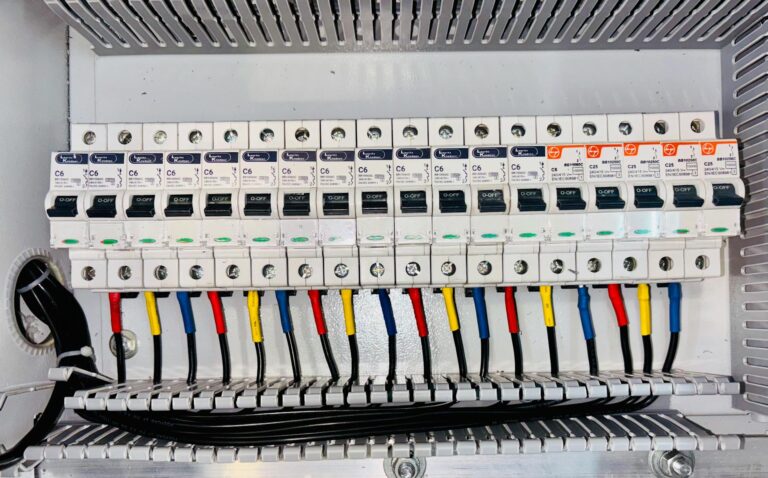
A work light draws 4.6A at 12V for a 55W halogen and under 1A for an LED, so the guides start with alternator capacity, cable size and fuse rating before the lamp is chosen. Relay wiring keeps the full current away from the cab switch, and the guides give the four-pin relay layout, the earth point, and the connector types used on Hella lamps. 24V machines need 24V lamps and bulbs, and one guide explains what happens when a 12V lamp meets a 24V supply.
Fault-finding and standards
When a light stops working the cause is one of five things: bulb, fuse, earth, switch or cable, and the fault-finding guides work through them in that order with a multimeter. The standards guides explain IP67 and IP69K sealing, ECE R65 beacon classes, R112 and R149 headlamp marks, and the E-mark on a lens. Replacement bulbs, relays, connectors and switches are in the accessories range.